How to Start Investing in Property in South Africa (for Beginners)
Learn how rental property investing works in South Africa, including expected rental yields, realistic costs, and the exact steps beginners should follow.
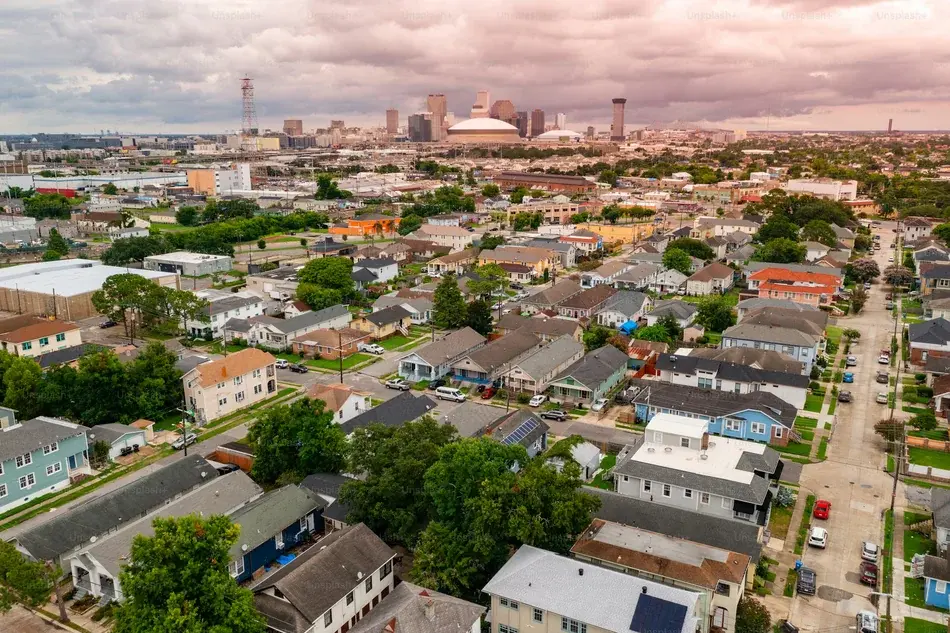
Property investment has long been one of the most popular wealth-building strategies in South Africa. For people beginning their real estate investment journey, it offers something that is tangible, understandable, and something most other investments don’t: predictable monthly income combined with long-term appreciation.
Unlike stocks, which can fluctuate wildly based on global markets, rental property generates returns based on local housing demand - something that tends to remain stable over time. And in South Africa specifically, rental demand has increased steadily as affordability challenges push more households toward renting instead of buying.
Whether your goal is to build passive income, retire early, or simply diversify your investments, real estate and rental property remains one of the most accessible and effective paths.
In this article we'll look at how to begin with property investment and what there is to consider.
Why Property Investment Works So Well in South Africa
South Africa currently offers some of the strongest rental returns globally, especially compared to developed markets like the UK, Europe, and Australia.
According to Global Property Guide, the average gross rental yield in South Africa is about 10.93% as of late 2025, which is considered exceptionally high by global standards.
To put that into perspective, many developed markets typically offer yields between 3% and 6%.
Even more impressively, Johannesburg apartments deliver some of the highest returns in the country. Average yields range from 9.5% to 16.5%, with a city average of around 13.7% depending on location and property type.
This is driven primarily by the relationship between property prices and rent. Property prices in South Africa remain relatively affordable compared to international markets, while rental demand remains strong.
Demand is also supported by low vacancy rates. National vacancy rates dropped to approximately 5.4% in 2024 - the lowest level since tracking began in 2016 according to data cited by The African Investor.
Low vacancy rates mean most properties remain occupied most of the time - which is exactly what investors want.
Additionally, average national rent reached approximately R9,132 per month in early 2025, with continued growth expected into 2026.
This combination of:
- Strong yields
- Low vacancy
- Rising rents
creates ideal conditions for rental property investors.
How Rental Property Makes Money
Understanding how rental property generates returns is critical before investing. Most investors earn money in three ways.
1. Monthly Cash Flow
Cash flow is the profit remaining after paying all expenses.
This is the most immediate benefit of rental property - it puts money into your bank account every month.
Example:
| Item | Amount |
|---|---|
| Monthly rent | R9,500 |
| Bond payment | -R7,500 |
| Levies, rates, maintenance | -R1,200 |
| Cash flow | R800/month profit |
Even modest positive cash flow can grow significantly over time.
For example, if rent increases by just 5% per year, that R800 monthly profit could grow to over R2,000 per month within 10 years.
Rental growth is already occurring nationally. Rental prices increased by approximately 5.6% year-on-year in early 2025, according to the PayProp Rental Index via PropertyWheel.
This means your income typically rises over time while your bond payment remains relatively stable.
2. Capital Growth
Capital growth refers to the increase in property value over time.
This is often where investors make the largest profits.
Example:
| Description | Value |
|---|---|
| Purchase price | R900,000 |
| Value after 5 years | R1,200,000 |
| Profit | R300,000 |
This profit can be realised by selling or refinancing.
Infrastructure development plays a major role in capital growth. For example, areas near Gautrain stations have historically experienced faster property price increases due to improved accessibility.
This is why choosing the right location is so important.
3. Rental Increases Over Time
Rental income tends to increase with inflation and demand.
Example:
| Year | Monthly rent |
|---|---|
| Year 1 | R9,500 |
| Year 5 | R11,500 |
| Year 10 | R15,000 |
Rental growth is driven by: population growth, urbanisation, housing shortages and inflation.
South Africa currently has strong rental demand due to affordability constraints, which continue to push more households toward renting.
Step-by-Step: How Beginners Should Start
Starting your first property investment can feel overwhelming, but breaking it into clear steps makes the process manageable.
Step 1: Define Your Investment Strategy
There are two main strategies.
Cash Flow Strategy (Recommended for Beginners)
This strategy focuses on generating monthly income.
Typically involves:
- Apartments
- Student accommodation
- Smaller sectional title units
These properties generally produce higher rental yields because they are more affordable and attract a larger pool of tenants.
For example, one-bedroom apartments in Johannesburg typically rent for between R5,500 and R8,500 per month, depending on location.
Because these properties are cheaper to purchase, the rent represents a higher percentage of the purchase price.
This results in stronger cash flow.
Capital Growth Strategy
This strategy focuses on long-term appreciation.
Examples include:
- Houses in high-growth suburbs
- Properties near infrastructure development
- Properties in major economic hubs
These may produce lower immediate income but higher long-term value growth.
Most beginner investors should focus on cash flow first. This is because a low or negative cash flow could limit your chances of expanding your portfolio to more properties.
Step 2: Choose the Right Location
Location is the single most important factor in property investment.
A great property in a bad location is a bad investment.
Strong locations typically have:
- Job opportunities nearby
- Universities
- Transport infrastructure
- Business hubs
Rental demand tends to concentrate in these areas.
For example, Johannesburg’s northern suburbs such as Sandton and Rosebank consistently deliver high rental yields due to strong tenant demand.
Student areas like Braamfontein also deliver high yields due to consistent tenant turnover and demand.
Properties in these areas are easier to rent and experience lower vacancy rates.
Step 3: Understand All Property Costs
Many beginners underestimate costs.
Typical expenses include:
| Expense | Typical cost |
|---|---|
| Bond repayment | Largest cost |
| Levies | R800–R3,000/month |
| Rates and taxes | R500–R2,000/month |
| Maintenance | 5–10% of rent |
| Property management | 8–12% of rent |
| Vacancy allowance | 5–8% of rent |
Property management fees in Johannesburg typically range between 8% and 12% of monthly rent, according to The African Investor.
These costs directly impact profitability, which is why proper analysis is essential.
Step 4: Calculate Rental Yield
Rental yield measures investment performance. (Note: this shows gross yield values)
Formula: Rental Yield = Annual Rent ÷ Property Price × 100
Example:
Rent: R9,500/month
Annual rent: R114,000
Property price: R900,000
Yield = 12.7%
This would be considered an excellent yield.
South Africa’s average yield of around 10.93% is already considered very strong globally, according to Global Property Guide.
What Is a Good Rental Yield in South Africa?
General benchmarks:
| Yield | Quality |
|---|---|
| 5–7% | Weak |
| 7–9% | Average |
| 9–12% | Good |
| 12%+ | Excellent |
Many Johannesburg apartments achieve yields above 12%, making them ideal for beginner investors.
Step 5: Secure Financing
Most investors use bank financing.
Typical deposit: 10–20%
Example:
| Description | Value |
|---|---|
| Property price | R900,000 |
| Deposit | R90,000 |
| Loan | R810,000 |
Interest rates and loan approval depend on:
- Credit score
- Income stability
- Debt levels
Financing allows investors to control larger assets with relatively small initial capital.
Step 6: Buy Your First Property
Beginner-friendly property types include:
- Bachelor apartments
- 1-bedroom apartments
- Units near universities (Be aware of housing requirements and how student funding works)
- Units near business hubs (These may have strong competition from buyers)
These typically produce the best yields and are easier to rent, but do your analyses before-hand.
Sectional title properties dominate many Johannesburg suburbs due to strong demand for secure, lock-up-and-go living.
Step 7: Rent the Property
You can manage the property yourself or use a property manager (rental agent).
Property managers handle:
- Tenant screening
- Rent collection
- Maintenance
Using one reduces your workload and risk but will be an additional monthly cost.
Example Beginner Investment Case Study
Example deal:
| Property price | R850,000 |
|---|---|
| Rent | R8,800/month |
| Yield | 12.4% (0% vacancy) |
| Expenses | R2,000/month |
| Bond payment | R6,500/month |
| Cash flow | R300/month |
This property generates income while increasing in value.
Try the Buy-to-Let Analyser: Run your numbers before making an offer to estimate yield, cash flow, and risk in one place.
Open the analyser
Final Thoughts
Property investment in South Africa offers exceptional opportunities compared to many global markets.
With average yields above 10%, low vacancy rates, and rising rental demand, rental property remains one of the most reliable ways to build wealth.
Beginners should focus on:
- High rental yield
- Strong location
- Positive cash flow
- Over-estimating costs
- Under-estimating income
Property investing rewards patience and good decision-making.
FAQ
How much money do you need to start?
Typically R50,000 to R200,000 deposit. Taking time to save up for this is critical, use that time to also research neighborhoods and improve your credit score.
What is the best property type?
Apartments can offer good yields as they sell at lower prices. Free-standing houses are also good options, but have higher price points.
Is property investment risky?
All investments have risk, but property risk is manageable with proper analysis and preparation.